One buyer is drawn to the shade, yet after a few hours the cap no longer feels comfortable. Another appreciates the natural-looking hairline but doesn’t want to spend twenty minutes adjusting the lace every morning. The unit is visually appealing, but a different buyer finds the hair density surprisingly heavy once it is worn.
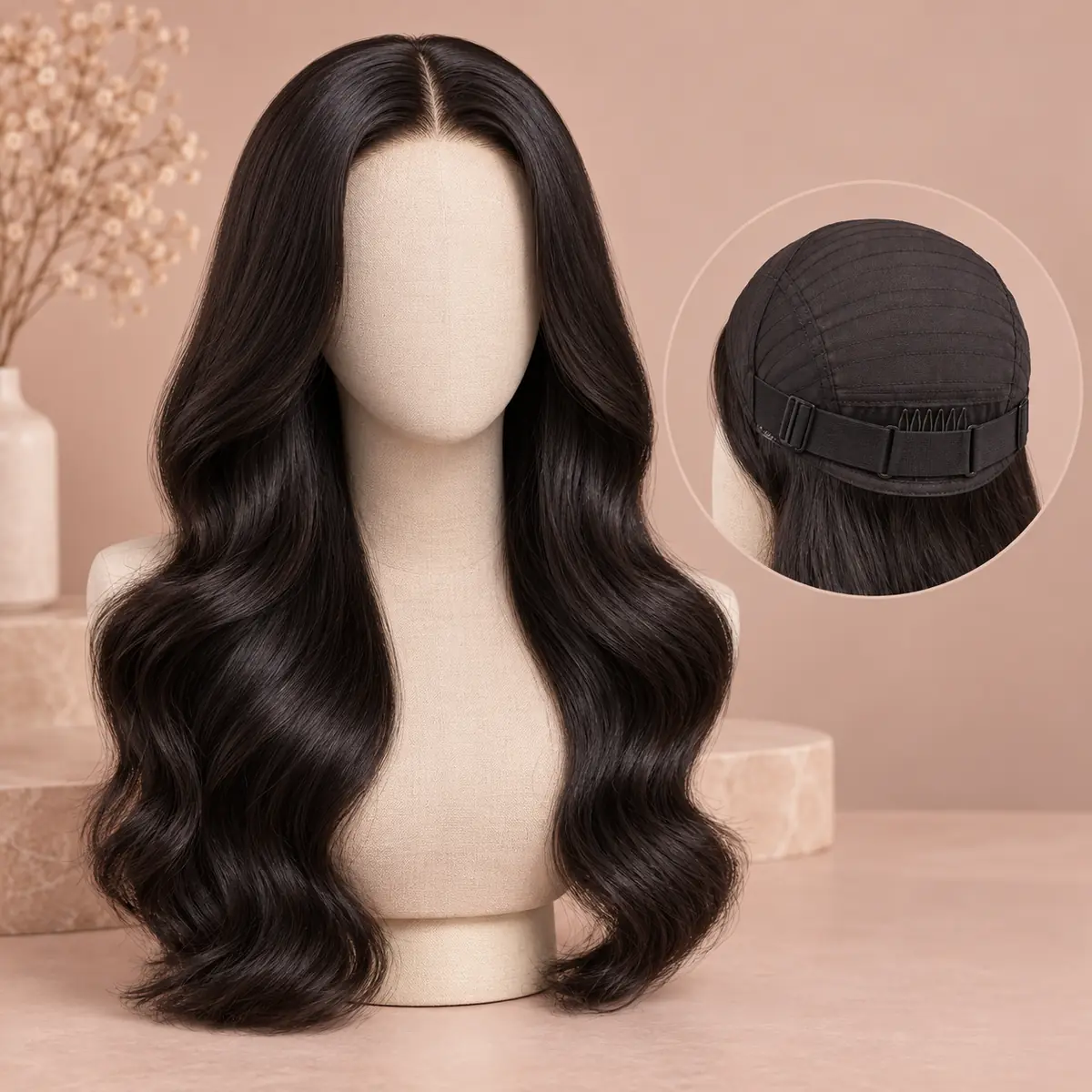
Image credit: vayorahair.com
There is more meaning in these comments than a wig business might initially see. They point toward opportunities to create wigs customers take pleasure in wearing.
A successful range does not have to follow the latest hairstyle trend. A collection should begin with an understanding of customer preferences and the experience they want when wearing the unit.
What Customer Feedback Reveal About Product Needs
When wearers describe their preferences, they generally do not speak in production-specific terms. They talk about comfort, convenience, appearance, and confidence. When a buyer asks for a simpler morning routine, a glueless construction may be worth exploring. Complaints about an unnatural hairline could indicate that lace appearance, knot treatment, density, or parting design needs attention.
A human hair wig manufacturer China brands work with should be able to translate these everyday concerns into measurable product specifications.
The basic request for a 22-inch body-wave wig need not define the entire order. Buyers can also specify the intended wearing experience, cap fit, lace construction, hairline appearance, and finished weight. The development process benefits from having a more clearly defined target.
Give Your Private Label Range Its Own Identity
A common pitfall for emerging wig brands is to stock their catalogs according to whatever is popular at the time. The outcome may be a product lineup that looks much like those of competing stores.
Choosing a private label wig manufacturer China retailers can work closely with gives brands an opportunity to create a more consistent identity for their products. The identity might be expressed through a lightweight everyday collection, a premium natural-hairline line, or ready-to-wear products intended for customers who want to keep preparation to a minimum. The same customer promise should guide texture, length, color, density, cap construction, and packaging. When a range has a distinct identity, customers have a reason to return that goes beyond a short-term discount.
What Really Counts in Glueless Wig Construction
A glueless label may be straightforward, yet how the wig feels during wear is shaped by multiple aspects of construction. Everything from cap sizing and adjustment features to attachment components, lace preparation, and hairline design helps determine how securely and comfortably the unit fits.
Clarifying these requirements before production is something a glueless wig manufacturer China buyers work with should assist with. A brand serving first-time wig users, for instance, might focus on manageable density, pre-cut lace, and straightforward adjustment features. By contrast, a range for professional stylists may call for different customization options. It would be a mistake to assume that one approach is always better. What distinguishes them is the customer they serve.
Sampling Protects the Brand’s Reputation
There are details of a wig that cannot be assessed from an image alone. A buyer should assess how the cap fits and the hair moves, check the color against expectations, and verify whether the finished construction matches the approved design. Reviewing samples allows buyers to recognize differences before committing to a larger order.
Repeat production makes documented specifications and quality-control procedures particularly important for a wholesale human hair wigs supplier. A lack of clear reference materials can make it difficult to reproduce the results of a successful first batch consistently.
Design Your Collection for Future Growth
VAYORA supports B2B wig brands, retailers, and distributors through product development, private label services, sampling, specification control, and repeat-production workflows. Physical details that affect how a wig looks, fits, and feels are connected to customer expectations through this approach.
Before expanding a catalog, brands should examine customer feedback, identify their strongest product opportunities, and establish clear approval standards. The next successful collection may not require more styles. Instead, success may come from addressing compromises in the styles customers already seek.