The infrastructure for wastewater isn’t something that people consider yet it has an impact on every office, home or school, as well as public buildings. When sewer systems function properly they’re not in view. They can result in immediate, expensive and disruptive consequences when they fail. This is why an engineered wastewater liftstation is essential to the modern infrastructure.
In many places gravity alone is not enough to move wastewater to the treatment facility. Pumping systems are often required to maintain sewer flow because of changes in elevation or long pipe routes the flat terrain, and the growing development. Lift stations bridge this gap, helping communities as well as private developments to move wastewater efficiently and in a safe manner.
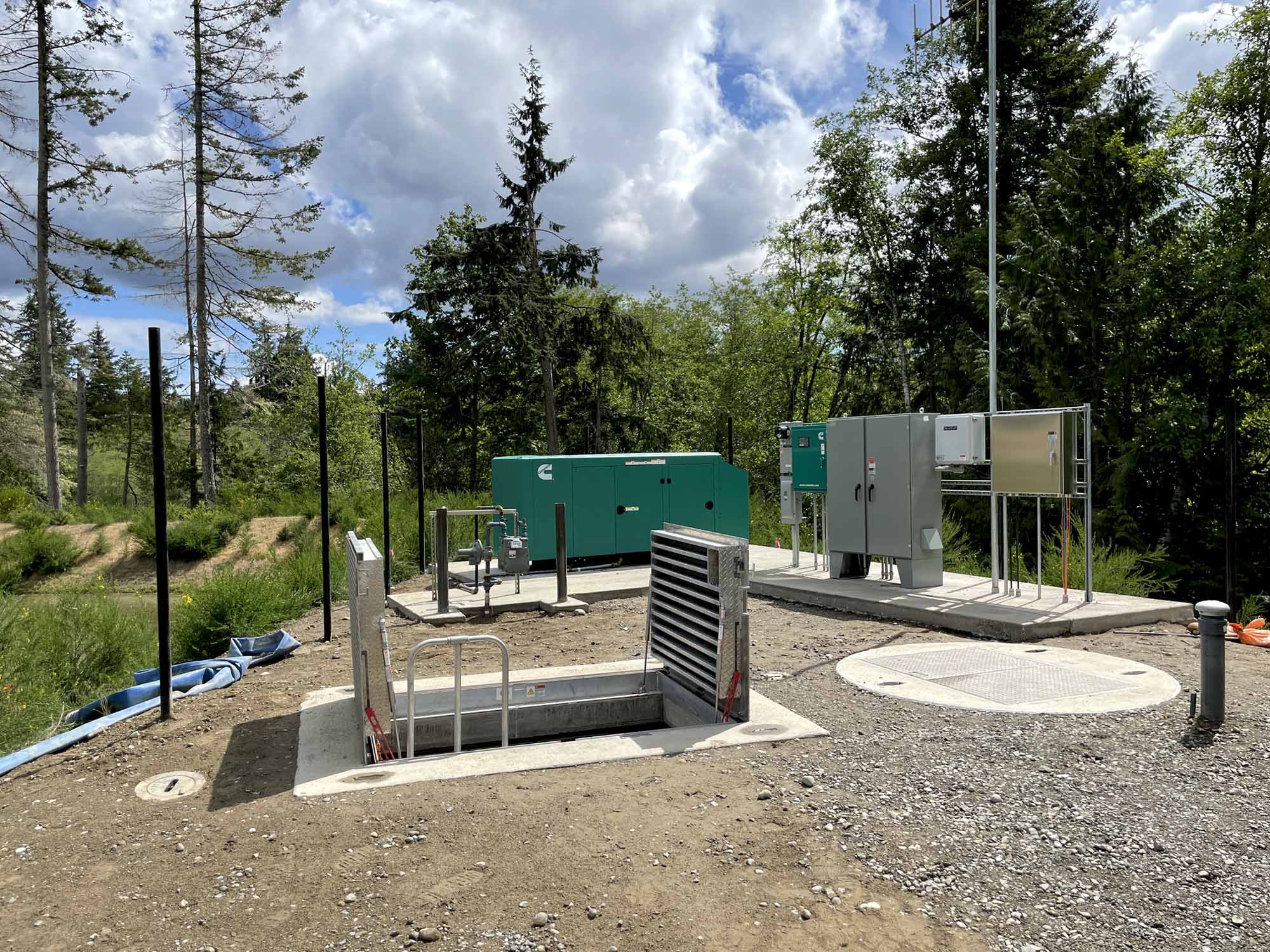
Every wastewater project is unique.
The sewer-lifting stations are not all are constructed in the same manner. Municipal stations that serve growing communities are different from private commercial or industrial locations that require more rigorous wastewater requirements. The design of the station is influenced by a number of aspects, such as the flow rate, the layout of the site, accessibility to maintenance, and the local regulations.
That is why custom design matters. Romtec Utilities designs each sanitary sewer lift station around the specific needs of the project rather than trying to force every site into a standard package. Some systems require pumps for homes with low flow, whereas others require high capacity municipal and industrial solutions that incorporate advanced control, coatings, and redundancy.
Pumps are just one aspect of a good design.
A wastewater lift station doesn’t comprise a wetwell, nor pumps. It’s a full system that is comprised of mechanical, structural electronic, and communications components that all need to cooperate. Pump selection and valve layout Control systems, coatings as well as flow monitoring technology access to the operator each affect the performance of the station as time passes.
The best wastewater engineers will make a major impact. Inadequately designed systems may be functional, but can cause problems with maintenance for years, as well as problems with corrosion, inefficiency, or service interruptions. A station that’s properly designed will not only work in the initial day, but will also be reliable for many years.
Romtec Utilities creates complete wastewater systems that are tailored to each client’s budget, location’s needs and long-term goals.
A better plan will ensure a higher success rate in long-term performance
Some wastewater facilities require more than a standard station design. According to the proposed project, lift stations may have polymer concrete wells, or odor-control systems to control odors. They could also have grinder pumps, bar-screen vaults bypass ports to pump, or even advanced communication systems. These features are not just improvements for the sake of complexity. In many cases they help a radio station remain longer, operate more efficiently or decrease future maintenance.
This is the reason that coordination at the start of a project is crucial. Romtec Utilities provides integrated design support for the majority of components of a lift station, which makes it easier to procure and gives project teams a clearer path from conception to construction.
Lift stations that are reliable can safeguard communities and budgets
A reliable wastewater lift station is essential to protecting public health, promoting growth and ensuring that sewer systems aren’t interrupted. It also protects budgets of municipalities, developers and private property owners by decreasing the need for emergency repairs, minimizing equipment time in operation and prolonging its life.
It’s not uncommon that the best sewer lift station are those that are not noticed by anyone as they perform their job. This kind performance begins with thoughtful engineering, a site-specific design and a partner that understands the wastewater infrastructure isn’t standard. Romtec Utilities applies this level of expertise to every sewer lift station design. This helps clients design systems designed for long-term durability, not just for convenience.