A garden that is productive doesn’t necessarily begin with expensive equipment or a perfectly maintained property. More often, it starts with someone putting in a few seeds, watching what happens, and then making better decisions for the next season.
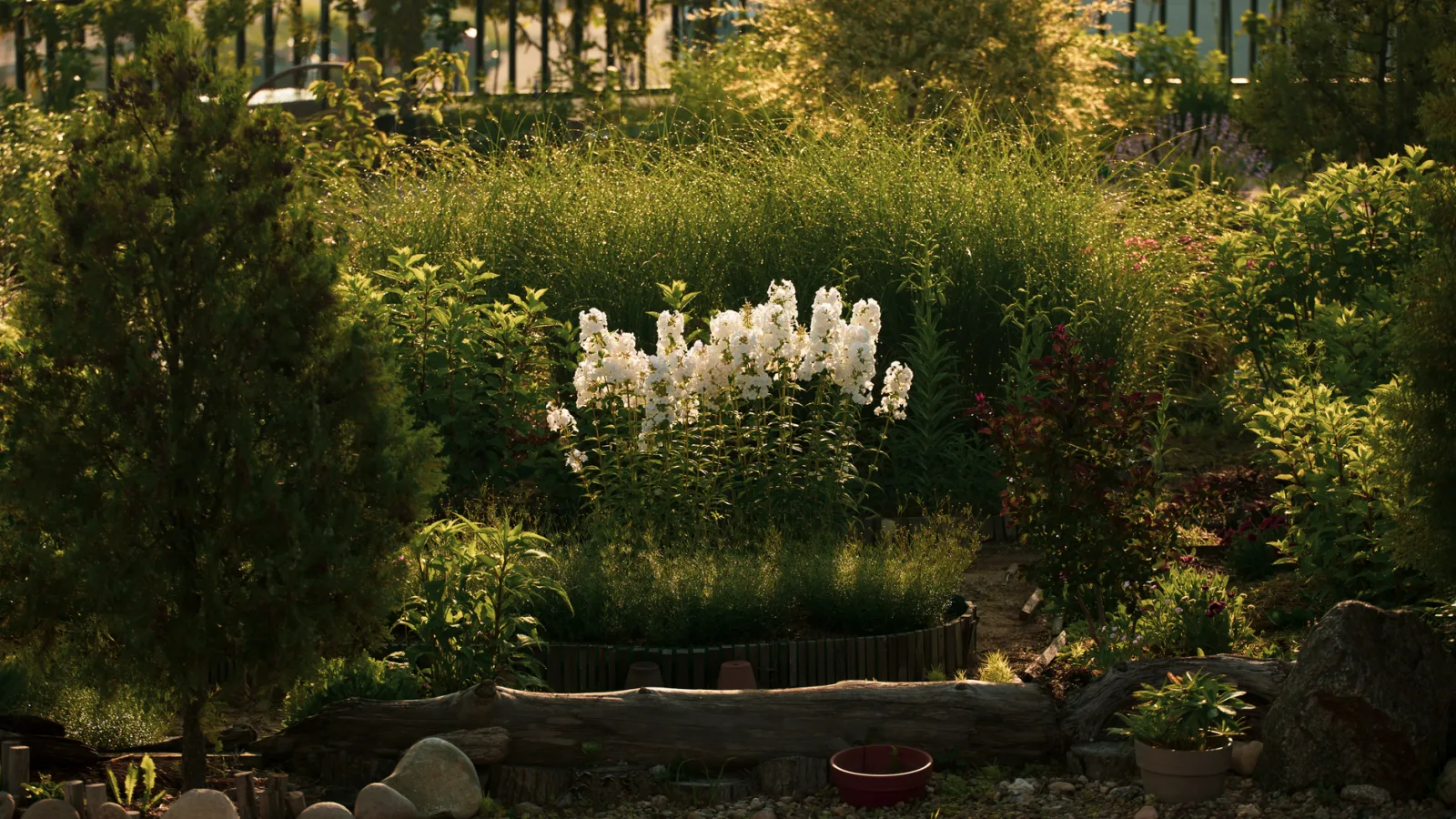
That practical approach is central to The Sproutstead, an informational resource created for people who want to grow food, improve their soil, preserve what they harvest, and develop useful self-sufficiency skills without getting buried in technical language.
The garden you are in has its own set rules
Gardening advice can sometimes be confusing since gardens can’t be interchangeable. A tomato that is planted in a sunny bed in one place could differ from the same variety that is grown in heavy soil somewhere with an earlier season.
Homesteading and gardening success requires more than just following the instructions. Understanding your own conditions is essential for gardeners. This includes sunlight and soil conditions, temperatures rain, the growing season, available area, and the amount of time you can devote to maintenance.
The Sproutstead goes over these factors to help gardeners adapt their the knowledge of gardening to their home, instead of trying to recreate someone else’s arrangement.
Vegetable Gardening Begins Below the Surface
Naturally, people pay more focus on plants they can observe. However, the effectiveness of any gardening venture is largely determined underground.
Good soil needs an appropriate equilibrium of drainage, water retention, organic matter and nutrients. Composting can enhance soil with time, while mulching can conserve moisture and suppress the development of unwanted weeds. Attention to these basic principles can ease vegetable gardening because healthy growing conditions offer plants a strong foundation right from the start.
Also, planning is important. The spacing of plants, the timing of crops along with companion planting and time of year can all determine the effectiveness of gardening in the limited space.
Tomatillos is a good example of Paying Attention
Ask ten gardeners about tomatoes and you’ll likely hear about ten different tales. They’re among the most adored backyard crops, yet they also illustrate how a variety of factors affect the growth of a plant.
If you want to know how you can grow tomatoes, think beyond the planter’s depths and fertilizer plans. The tomatoes require plenty of sunshine, continuous watering, an appropriate soil as well as adequate spacing and support when they mature. The selection of tomatoes is crucial because growing conditions, space available, and intended uses can determine which variety is the best.
If a plant has abundant foliage but produces little fruit, for example, simply adding fertilizer will not solve the issue. The problem could be caused due to excessive nitrogen, high temperatures, inadequate sunlight, or problems with pollination. It is recommended to examine the entire plant rather than treating each symptom in the same manner.
The story of a harvest is Not Complete
When the majority of vegetables are rotten before being consumed, it makes growing twenty pounds of veggies seem less productive. After harvest, a thoughtful gardening method at home will take into account the entire process.
Canning or freezing, drying, and sharing surplus produce can enhance the value of the produce you plant. You can also save seeds for future use or use them to compost scraps of food that you cannot avoid. Backyard chickens, herbs, fruit trees, and composting may eventually become pieces of the same household system.
There is no need to implement every single homesteading technique at once. Learning to grow lettuce successfully, improving a compost pile, or preserving the first tomato crop you grow yourself can be considered a meaningful step forward.
Knowledge is Power: More Effective Gardeners are created by using practical information
It’s not possible to guarantee perfect plants with the most helpful gardening tips. Changes in the weather, pests may appear, seeds could fail and suggestions are contingent on the location.
The Sproutstead sees these challenges more as part of learning, not an isolated event. Through linking subjects like soil and seeds, vegetables, pests, preservatives, backyard chickens, or self-sufficiency, with other topics, such as preservation backyard poultry, self-sufficiency, readers gradually master the art of growing gardens.
The same principles apply to constructing your garden to be more productive at home: Slowly, season after season and with a solid foundation.