Even after the office shuts down even after closing, the phone remains vital to vet offices. Pets can become sick in the middle of the night, clients may be in a panic on weekends, and emergency calls often do not occur at convenient times. These calls are often unanswered or redirected to voicemail. It is also possible that they will be transferred to an answering system that is not a specialist in the field. This could lead to frustration from pet owners and stress for the veterinarians in the phone.
That’s why communication after hours is now an essential aspect of the veterinary industry. A good answering service for veterinary practices is more than just a phone pick-up. It protects the relationship with clients, guides pet owners towards the right next step, and eases the workload of staff members within. Today, after-hours assistance is more than just a convenience. This is the way a practice is able to provide continuity of medical care.
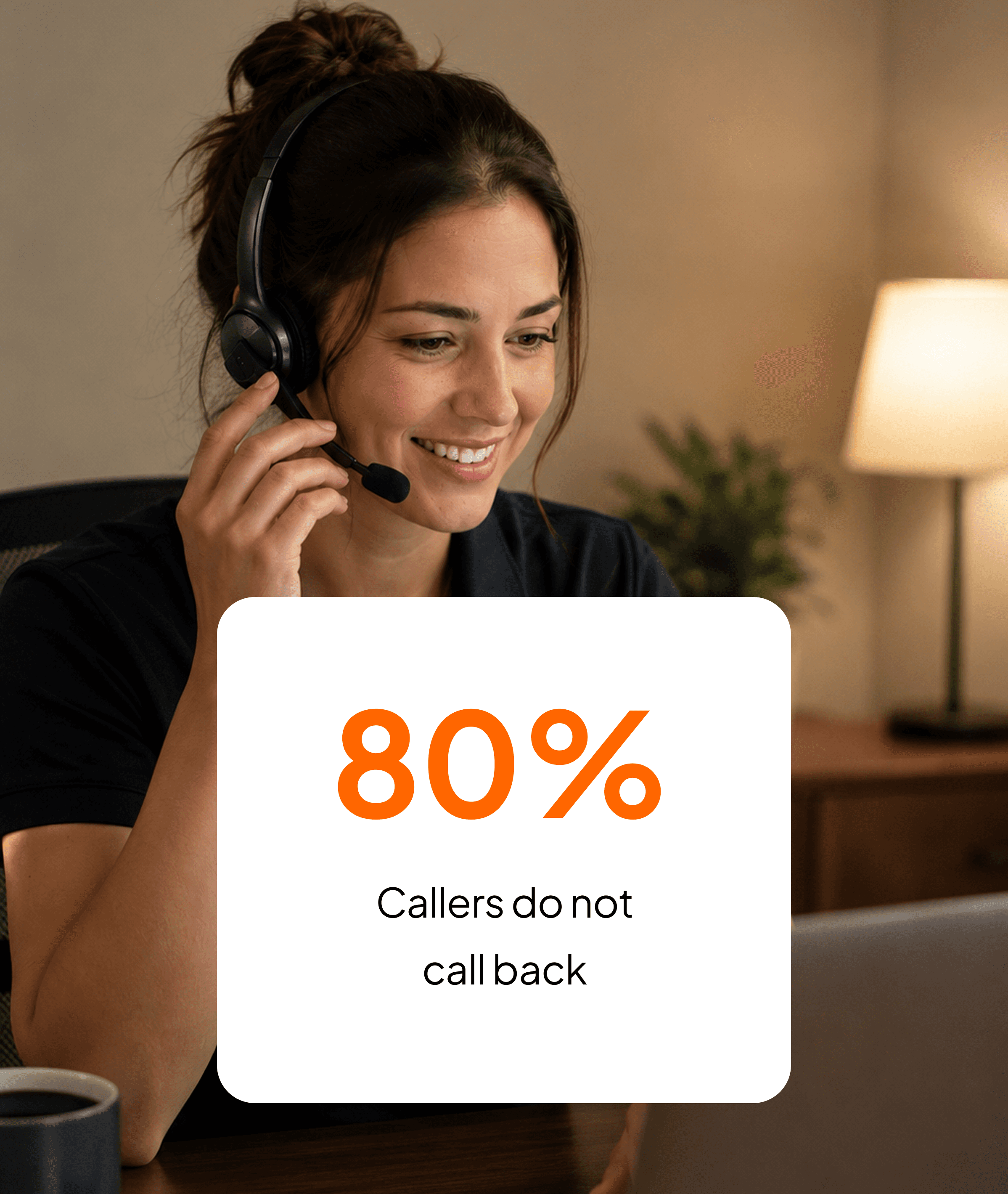
Image credit: guardianvets.com
There are many answering systems that are specifically designed for use in veterinary medicine.
There is a major difference between a generic answering service and a specialized vet answering service built specifically for animal hospitals. In a hospital environment answering calls after hours is rarely straightforward. Customers may be concerned about poison exposure, complications following surgery, or vomiting. They may also ask whether their pet needs immediate emergency treatment. Those situations require more than taking messages. It calls for calm communication, judgement and discipline from a person who is knowledgeable of the workflow in veterinary practice and is aware of the urgency.
GuardianVets is different in this way. Instead of functioning as a call center, GuardianVets is an veterinary support provider staffed with Credentialed Veterinary Technologist. That distinction matters. A trained technician can assess the nature of the call, follow the clinic’s triage and escalation protocols, help the pet owner understand the level of urgency, and direct them toward the right next step without stepping outside the boundaries of the veterinary-client-patient relationship.
Triage services for veterinary emergencies can help you make better choices.
One of the most significant benefits of a true veterinary triage service is that it helps to create clarity in stressful situations. Many pet owners don’t know when a situation needs to be addressed or if it is something that can wait until the morning. Many are left in the dark, and are forced to rush to an emergency hospital unnecessarily or delay seeking care.
Triage is a way to bridge that gap. It provides pet owners with a knowledgeable individual to speak to, which reduces confusion, and aids practices in ensuring urgent cases are escalated accordingly, while non-emergent complaints are documented correctly and routed. The system also avoids veterinarians being interrupted after hours for issues which do not require doctor intervention. It can assist in maintaining a more balanced lifestyle, particularly at hospitals where doctors need to take on both duty of a doctor and the on-call responsibility.
The veterinary center you choose must be able to work with your workflow, not fight them
A modern call center for veterinary care should not function as an independent service outside of your practice. It should work as an extension of the team. This includes understanding the rules for appointments procedures, emergency protocols and ways to escalate, and your communication preferences. This also includes integrating your PIMS, so that notes, scheduling outcomes and call records return to the same system your team already uses.
GuardianVets is based on this concept. Their process includes auditing areas of call coverage that are not being covered by mapping how the client’s communication currently works, and building an approach that is based on the realities of the clinic rather than forcing the clinic to follow a strict structure. It’s a huge shift from traditional answering companies, who often just capture messages and hand it over to the clinic.
The convenience of the service is increased by better after-hours coverage
A reliable veterinary answering service after hours can do more than simply reduce lost calls. It helps maintain trust with clients when under stress, allows more patients within the practice’s network and enables teams to better manage demand after hours. This will increase revenue by converting overnight or weekend inquiries into booked appointments instead of missing opportunities.
It is important to pet owners as it provides confidence that there will be someone available to assist them when in need. In veterinary medicine this kind of support is crucial because many calls after hours don’t just concern logistics. These calls can be emotional. They are emotionally charged.
GuardianVets is an answering service for veterinarians which offers hospitals solutions that go beyond and beyond what is typical. By combining clinical triage with workflow integration and compassionate communications it lets practices be available to their patients even when the clinic is closed.