Wax museums have been captivating audiences for centuries. They provide a unique mixture of entertainment, art, and history. They aren’t just galleries that display sculptures, but are also immersive experience that takes visitors back to a time and through the culture. Behind these masterpieces lies the meticulous work of wax figure manufacturer and wax museum project planner, who combine creativity, craftsmanship, and innovation to bring iconic personalities and stories to life.
What makes a wax museum project unique?
It’s just not enough to exhibit life-like wax figures. A project involving wax museums is all about creating a space in which art and history as well as culture connect. Each project is driven by a vision which guides the design from conception planning to final implementation. The projects are designed to offer visitors an educational and engaging experience that will leave a lasting impression.
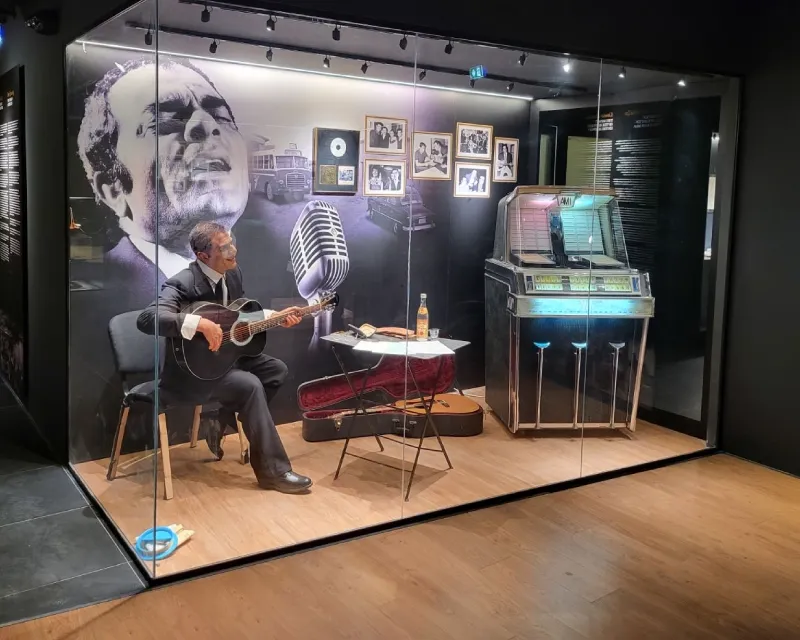
Image credit: dxdfart.com
The museum’s distinctiveness lies in its capacity to:
Museums of wax tell stories through detailed displays that celebrate iconic figures from the past and contemporary celebrities.
Engage Visitors: Interactive exhibits, themed sections, and realistic wax figures immerse visitors in a world that feels real.
Inspire Creativity. Every aspect is planned with care starting with lighting, to figure position for a seamless experience.
Wax Manufacturers’ Role Figure Manufacturer
Manufacturers of wax figures are the core of all museum wax projects. The artisans and engineers are responsible for transforming the ideas into reality. They go beyond sculpting to create figures that capture the essence of a person, from facial expressions to skin texture.
How to Make Wax Figures
Research and Planning Research and Planning: The process starts with gathering information on the subject, such as photographs videos, photographs, and other historical information.
The art of sculpting is when skilled sculptors design a digital or clay model that is precise and lifelike detail.
Wax Casting: The model is used to make a mold which is then filled with high-quality wax. To ensure that the proportions of the model are accurate, precision is essential.
Hair, eyes and other clothing elements are added with precise detail to make the character appear more real. This is often a process that requires cooperation with costume designers as well as hair stylists.
Final Assembly: Once all the components have been finished, the figure is put together and then checked for quality.
Modern manufacturers leverage cutting-edge technologies, such as 3D scanning and printing to improve precision and cut production time while maintaining the integrity of their artistic designs.
Wax Museum Projects: A One-Stop Shop
Specialized firms that focus on wax museum projects provide an array of solutions for every phase of the project. They can ensure a seamless project from conception to completion, allowing the investor to concentrate on the overall picture.
Services that are provided by the Wax Museum Project:
Concept Design: The experts work with the investors to develop the layout and theme in line with their vision.
Program and Scheme Development: To improve the user experience it is necessary to develop detailed plans that include figures’ the layout, exhibit design and flow of visitors.
Design and Construction: Professional teams are responsible for the building, making sure the space is beautiful and functional.
Operational Guidance: Once the museum has been built Many companies offer training and methods to help staff ensure that operations are managed efficiently.
These companies provide end-to-end services to help investors tap into a growing leisure economy. They develop profitable attractions that draw visitors from all over the world.
The Economic and Cultural Impact of Wax Museums
Museums of wax aren’t only tourist attractions. They are also significant contributing to local economies and the preservation of culture. Through the display of iconic characters, these museums educate guests about history and incite admiration for cultural heritage.
Economic Benefits
The increase in tourism revenues generates income for local businesses.
Create jobs in manufacturing, the hospitality industry, and museum operations.
Cultural Benefits:
Preservation of cultural and historical stories.
Communities can commemorate the local heroes and traditions.
Why Invest in the Wax Museum Project?
For investors, projects in the field of wax museums are a great way to bring together creativity and business. Growing desire for interactive and immersive attractions creates wax museums as a lucrative business opportunity in the leisure sector. When you partner with an experienced wax figure manufacturer and making use of one-stop solutions, investors can create unique attractions that are distinctive in the entertainment industry.
Conclusion
These projects highlight the lasting attraction of art and history. From the arduous efforts of wax figure manufacturers to the strategic design of museum layouts They have a harmonious mix of innovative thinking and imagination. Museums that are made of wax are constantly evolving as the field changes and continue to captivate viewers by keeping the past, but also embracing the present. Museums that use wax offer a unique trip through time and culture, whether you’re a visitor or an investor.